The architectural and infrastructural metamorphosis sweeping Southeast Asia is often narrated through the lens of soaring towers and sprawling smart cities. However, a more foundational, yet critically overlooked, narrative is being written at ground level. The region's breakneck development is paradoxically constrained by an archaic aggregate supply chain—one reliant on fixed quarries, environmentally costly river sand mining, and a labyrinthine network of haulage that congests roads and inflates project budgets. The argument presented here is that the true pioneers of the region's future built environment will not be the starchitects alone, but those who master the provenance of its most fundamental material: aggregate. The wheeled mobile gravel crusher , a piece of equipment often relegated to industrial catalogs, is poised to become the unsung catalyst for a more efficient, sustainable, and architecturally liberated construction paradigm.
The prevailing model for aggregate procurement is a study in linear waste and logistical fragility. It creates a vicious cycle of extraction, long-distance transport, and site delivery that strangles project agility and profitability.
Fixed quarry locations dictate economic radii. Material sourced from a distant quarry accrues exponential transport costs, a financial burden that is either absorbed by the contractor, eroding margins, or passed to the client, inflating project costs. This model is geographically deterministic, limiting development feasibility in areas deemed too far from a static processing plant. The environmental toll is similarly severe; fleets of heavily laden trucks traversing regional highways contribute significantly to carbon emissions, particulate pollution, and accelerated road degradation. This centralized system is not just expensive; it is inherently geographically discriminatory, favoring development only in corridors proximate to legacy extraction sites.
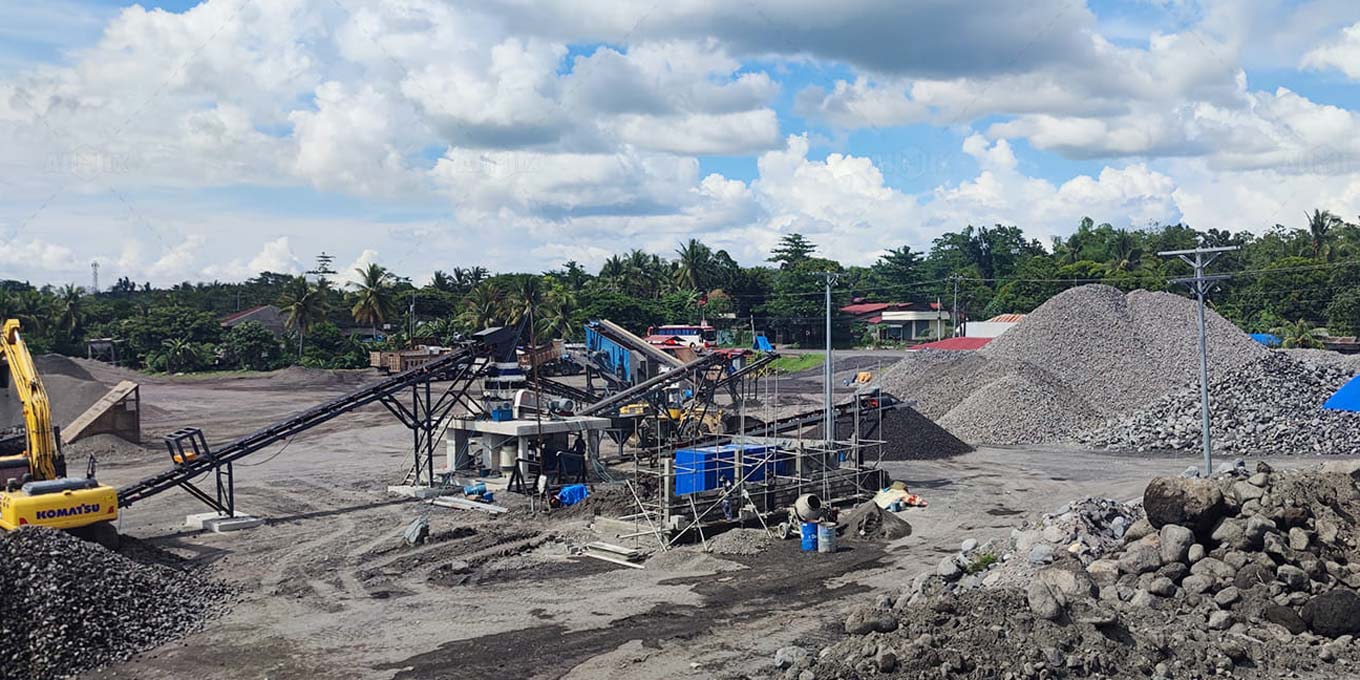
Simultaneously, the region faces a deepening crisis with its traditional fine aggregate: river sand. Unregulated mining has led to severe riverbank erosion, habitat destruction, and altered water tables. Government restrictions on river sand extraction are tightening across nations like Vietnam, Thailand, and Indonesia. This has created a supply vacuum and skyrocketing costs for a material essential for concrete and mortar. The construction industry's continued reliance on this finite, ecologically devastating resource is not only unsustainable but a direct threat to its own long-term material security. A paradigm shift in sourcing is not preferable; it is imperative.
The wheeled mobile crusher proposes a radical inversion of the existing model. By bringing processing capability directly to the source of raw material—whether a demolition site, a low-grade quarry deposit, or a construction right-of-way—it dismantles the tyranny of distance and creates a new operational logic.
In urban redevelopment projects, a mobile crushing plant transforms demolition waste from a costly liability into a valuable asset. Concrete and masonry from old structures are processed in-situ into certified recycled aggregate, ready for use in the new foundation. This closed-loop material cycle drastically reduces landfill demand, eliminates thousands of truck journeys for waste removal and virgin aggregate import, and provides a predictable, local material stream. For new builds on challenging terrain, the crusher can process locally won rock or alluvial deposits into specification aggregate, bypassing the commercial supply chain entirely. This capability grants architects and developers a newfound site autonomy, liberating projects from the economic and logistical constraints of distant quarries.
Perhaps the most transformative application is the production of Manufactured Sand (M-Sand). A wheeled plant equipped with a sand-making module can crush quarry rock into a consistent, high-quality sand substitute. This product is often superior to river sand for concrete production, offering better control over particle shape and gradation, which can lead to stronger, more durable structures. By providing a legal, sustainable, and reliable alternative, mobile crushers directly address the region's most critical aggregate shortage, decoupling construction growth from ecological degradation.
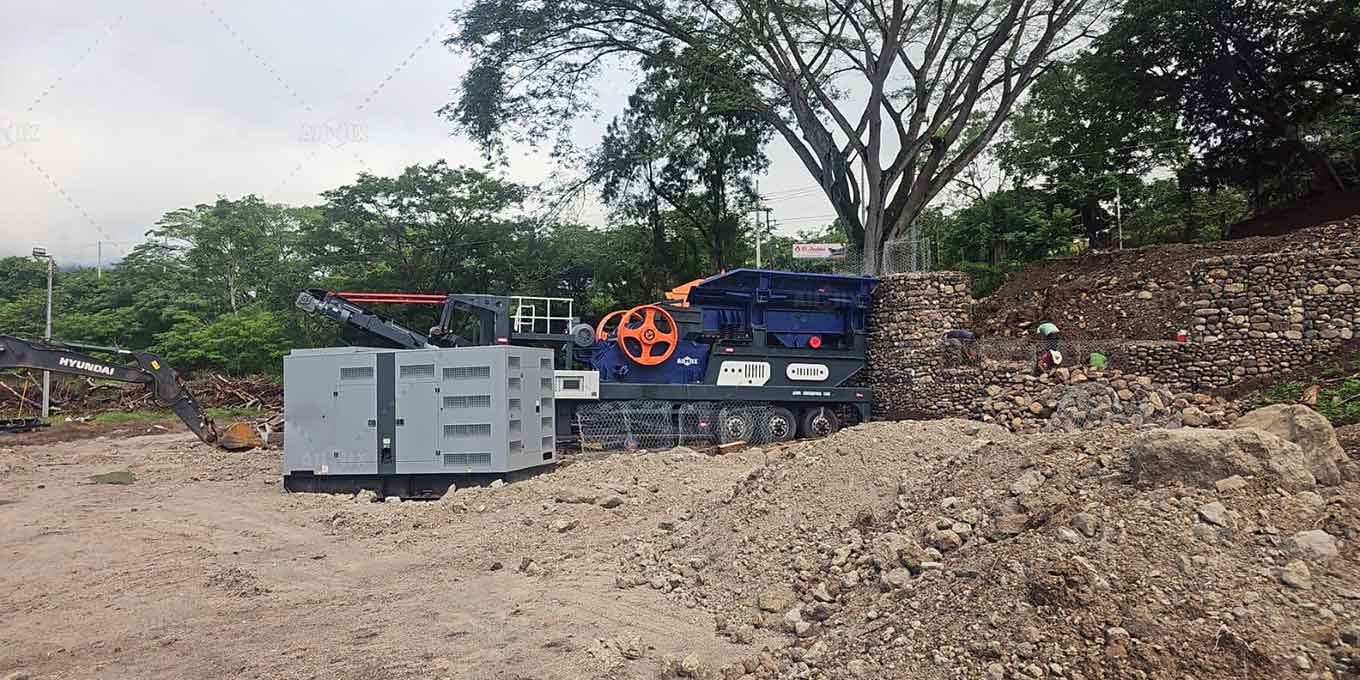
For this potential to be fully realized, the industry must confront and overcome systemic barriers. The argument for adoption must be won on practical and economic grounds.
The primary obstacle is the perception of high upfront capital cost. This view is myopic. A compelling case must be built on Total Cost of Ownership (TCO) versus the status quo. The financial analysis must aggregate the avoided costs: tipping fees for demolition waste, purchase price of virgin aggregate, and the monumental line-item for long-haul transport. When these are tallied against the rock crusher machine's ability to create saleable product from waste and local sources, the payback period can be remarkably short. The machine is not an expense; it is a logistics bypass that converts cost centers into profit centers.
Wider adoption can be accelerated through symbiotic policy. Government infrastructure agencies can incentivize the use of recycled aggregate in public works projects, creating guaranteed demand. Streamlining permits for temporary crushing operations would reduce bureaucratic inertia. Concurrently, investment in operator training and maintenance networks is crucial. The technology's reliability hinges on skilled personnel who can maximize its uptime and output. The future pioneer will be the firm that invests not only in the machine but in the human expertise to wield it effectively, building a competitive moat based on material intelligence and operational efficiency. This is the foundational work for a new architectural reality.