The allure of an all-in-one concrete mixer with pump for a price point around $23,000 is undeniably potent. In an industry where cement mixer pump costs routinely escalate into six figures, this figure appears as a siren song of accessibility, promising operational autonomy to small contractors and ambitious startups. However, this initial allure demands immediate and rigorous interrogation. A machine at this price represents a specific and consequential market segment, one characterized by fundamental trade-offs between upfront capital preservation and long-term operational capability. The central question is not whether it can mix and pump concrete—it assuredly can. The pivotal argument we must engage is whether its performance envelope, durability metrics, and total cost of ownership align with the genuine, sustained demands of your projects, or if it represents a myopathic purchase that will constrain growth and erode profits through limitation and downtime.
A unit in this price category is engineered to a specific cost ceiling, a reality that permeates its design. Understanding its specifications is the first step in a clear-eyed assessment.
Machines at this tier typically offer a volumetric output between 30 and 50 cubic meters per hour for mixing, with a corresponding pump capable of a theoretical output of 15 to 30 cubic meters per hour. The pumping system is usually a dual-piston hydraulic design with a maximum concrete pressure that dictates both vertical and horizontal reach. You can expect a practical reach—the distance it can effectively place concrete without requiring intermediate relocations—of roughly 40 to 60 meters horizontally or 20 to 30 meters vertically. This is sufficient for single-story residential slabs, small foundations, and backyard projects. It is categorically insufficient for multi-story construction, extensive slab work requiring continuous pours from a single setup, or projects with complex layouts that demand significant pipeline.
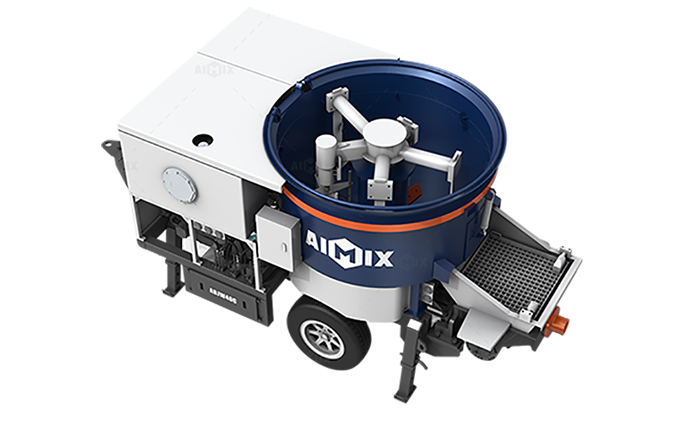
The cost engineering becomes evident in component selection. The chassis and mixing drum are often of lighter gauge steel. The hydraulic pumps and valves may be standardized, generic units rather than premium, purpose-engineered components for the severe duty cycle of concrete pumping. The engine powering the system is frequently at the lower threshold of required horsepower, operating near its maximum capacity during pumping operations, which impacts fuel efficiency and long-term reliability. These are not flaws; they are the deliberate compromises that achieve the price point.
The true cost of any piece of equipment is its total cost of ownership, a figure that includes far more than the initial invoice.
This is the most critical argument. A machine operating at the margin of its design limits is inherently more susceptible to failure. Lighter components experience higher stress and fatigue. The financial calculus must account for project-critical downtime. When a pump fails during a continuous pour, the consequences are severe: cold joints, wasted material, idle labor crews, and potential contractual penalties. The cost of a single major breakdown can eclipse the perceived savings from the lower purchase concrete mixer with pump price. Furthermore, service and technical support for value-engineered machinery can be fragmented, leading to prolonged repair cycles and difficulty sourcing proprietary parts.
You must ruthlessly audit your project pipeline. If 90% of your work consists of small, discrete pours with easy access, this machine may be technically adequate. However, consider business trajectory. Accepting a project just outside its capability—a slightly taller wall, a longer reach—becomes a perilous gamble. You will either decline profitable work or force the machine into an inefficient, high-wear operational regime. The tool begins to dictate the scope of your business, acting as a ceiling rather than a platform.
.jpg)
The $23,000 concrete mixer with pump occupies a specific and narrow niche. It can be a viable solution for a contractor with a consistent, limited-scope project portfolio who possesses the mechanical aptitude to perform preventative maintenance and manage minor repairs in-house. It functions as a controlled-risk entry vehicle into mechanized concrete placement.
Before committing, you must engage in stringent due diligence. Scrutinize the warranty terms and the mini concrete pump manufacturer's reputation for honoring them. Demand a demonstration using a mix design similar to your common pours. Physically inspect the thickness of steel in the mixing drum and frame, the branding on hydraulic components, and the accessibility of routine service points. Calculate not just the monthly finance payment, but a realistic annual maintenance and repair reserve, potentially 10-15% of the purchase price.
Ultimately, the decision is an argument of proportionality. For a high-volume business, this machine is a liability. For a sporadic user, a rental may be more economical. For the small, growing contractor who understands its limits, it can be an asset—but only if the purchase is made with eyes wide open to the compromises embedded within its attractive price. Do not let the initial cost obscure the total cost. Invest in a machine that serves your business ambitions, not one that redefines them downward.