The successful deployment of an AIMIX self-loading concrete mixer in Ghana requires meticulous planning and systematic execution to ensure optimal performance, safety, and longevity. This equipment, which integrates aggregate handling, water management, batching, and mixing functions into a single mobile platform, represents a significant investment that delivers maximum returns only when properly installed and commissioned. The setup process encompasses site preparation, mechanical assembly, system calibration, and operational verification, each requiring specific attention to detail given Ghana's unique environmental and operational conditions. This guide provides a structured approach to establishing your self loading mixer for immediate productivity, addressing the critical phases from delivery acceptance through to the first production batch. Following these procedures will minimize setup time, reduce operational risks, and establish a foundation for reliable long-term performance in Ghana's demanding construction environment.
Proper site preparation forms the critical foundation for successful self-loading mixer operation, directly influencing equipment stability, material handling efficiency, and operational safety. The selected site should provide a stable, level surface with adequate load-bearing capacity to support the mixer's operational weight, which typically ranges from 8 to 14 tons depending on the model. A compacted granular base, approximately 150-200mm thick, provides sufficient stability for most soil conditions encountered in Ghana. The area must offer unobstructed access for material delivery vehicles and sufficient maneuvering space for the mixer's loading arm, typically requiring a clear radius of 6-8 meters around the equipment. Drainage considerations are particularly important during Ghana's rainy seasons, with the site graded to prevent water accumulation that could undermine stability or create slippery working conditions. These preparation steps, while seemingly basic, prevent numerous operational problems including uneven loading, structural stress, and accessibility isp'risues that can compromise productivity and safety.
Material management infrastructure represents another essential component of site preparation. Establish designated stockpile areas for aggregates within the mixer's loading reach, typically 4-6 meters from the operating position. These stockpiles should be segregated by particle size to facilitate accurate batching and prevent material contamination. A reliable water source must be accessible, with sufficient pressure and volume to supply the mixer's integrated tank, typically 300-800 liters depending on the model. For sites without municipal water connections, storage tanks with a minimum capacity of 2000 liters ensure uninterrupted operation. Electrical requirements vary by model, with some units operating entirely on diesel power while others may require a 220V or 380V connection for control systems and lighting. Verify these requirements during the planning phase to ensure appropriate provisions are made. Proper site preparation, addressing these fundamental requirements, creates the physical framework that enables efficient mixer operation and minimizes non-productive time during the critical setup phase.
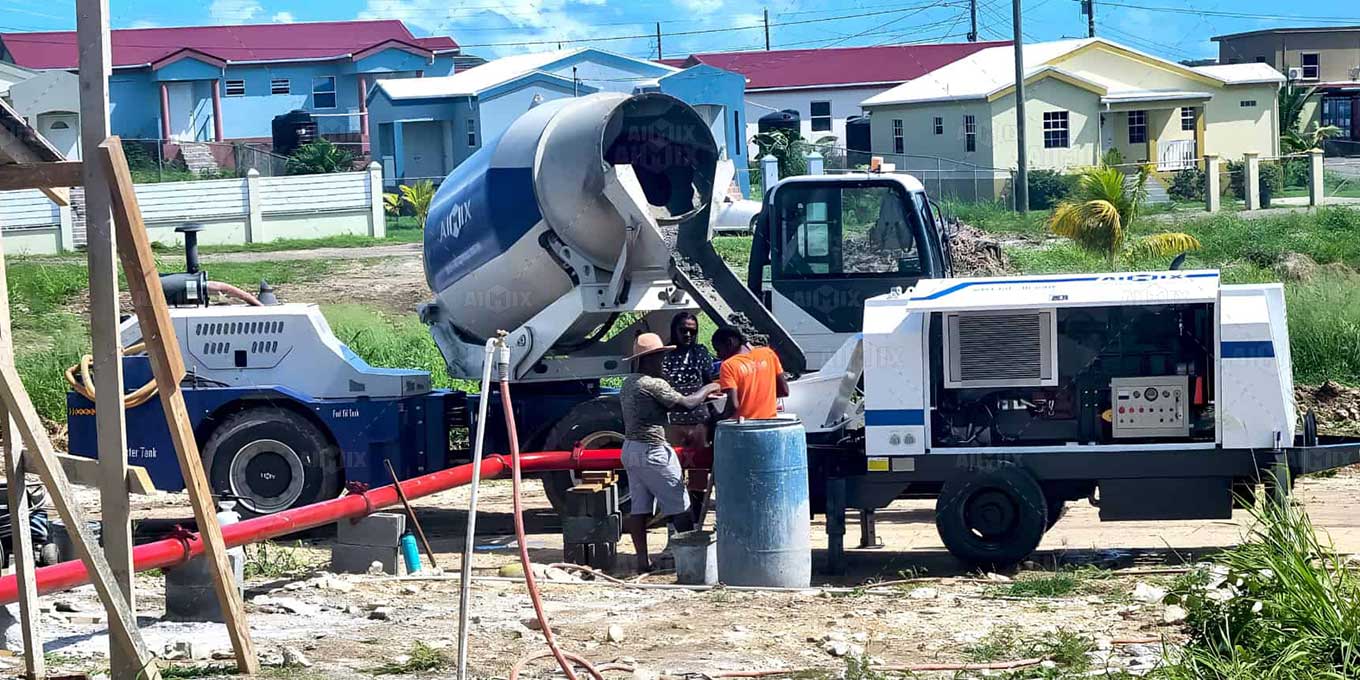
The mechanical assembly process for AIMIX self-loading concrete mixers for sale in Ghana follows a logical sequence that progresses from foundational components to operational systems. Begin with the deployment of stabilizer legs or outriggers, ensuring they are fully extended and securely positioned on solid bearing plates to distribute the operational load. The loading arm assembly typically requires connection of hydraulic lines and verification of pivot point lubrication before testing the full range of motion. The mixing drum should be inspected for transport security devices that must be removed before operation, with particular attention to rotation locks and shipping braces. Hydraulic system preparation involves checking fluid levels, inspecting hose connections for integrity, and verifying that all quick-disconnect couplings are securely engaged. Electrical system integration includes connecting the battery, verifying control panel connections, and testing safety interlocks and emergency stop functions. Each connection should be methodically verified against the manufacturer's assembly diagram to ensure correct orientation and secure fastening.
System integration testing precedes engine startup and serves to validate mechanical assembly before introducing operational stresses. Manually rotate the mixing drum to confirm free movement without binding or unusual resistance. Cycle the loading arm through its full operational range, checking for smooth hydraulic operation and the absence of unexpected pressure spikes. Verify that all safety guards are properly installed and functional, particularly around moving components such as the loading mechanism and drum drive system. Check tire pressures against manufacturer specifications, as incorrect inflation significantly affects stability during loading operations. Lubrication points identified in the operator's manual should receive appropriate grease before initial operation, paying particular attention to pivot points on the loading arm and drum support bearings. This systematic approach to mechanical assembly and verification establishes the physical integrity necessary for reliable operation, preventing premature component failure and ensuring operational safety from the initial startup.
Hydraulic system commissioning requires careful attention to detail, as improper procedures can lead to component damage or system failure. Begin by verifying hydraulic fluid levels using the sight glass or dipstick, ensuring the fluid meets the manufacturer's specified viscosity and cleanliness standards. Bleed air from the hydraulic circuit by cycling each function multiple times without load, operating each cylinder through its full range and actuating all control valves. Listen for unusual noises that might indicate aeration or pump cavitation, which typically manifest as a whining or chattering sound during operation. Check hydraulic hose routing to ensure no sharp bends or points of contact that could cause abrasion during operation. Pressure settings should be verified against manufacturer specifications using calibrated gauges, with particular attention to relief valve settings that protect the system from overload. Proper hydraulic commissioning ensures smooth, responsive control of all mixer functions and prevents damage that could result from air in the system or incorrect pressure settings.
Control system calibration establishes the electronic management of the mixer's operational parameters. The weighing system requires zero calibration with the loading arm in its parked position and the mixing drum empty. Test weights or known quantities of material should verify scale accuracy across the expected operating range, with adjustments made according to the manufacturer's calibration procedure. Water metering systems need verification of flow rates and totalizer accuracy, ensuring that the programmed water volumes correspond to actual delivery. The programmable logic controller (PLC) should be put through its diagnostic routine, checking input sensors and output actuators for proper response. Operator interface screens should be tested for clarity and responsiveness, with all warning indicators and alarms confirmed as functional. Document all calibration settings for future reference, as these may require adjustment based on material characteristics or environmental conditions. This meticulous approach to system commissioning ensures that the mixer operates according to design specifications, producing consistent concrete batches that meet project requirements.
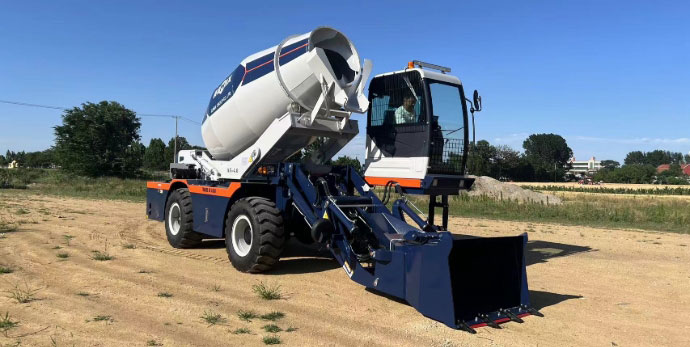
Operational verification begins with a no-load test of all mixer functions in sequence, progressing from simplest to most complex operations. Initiate the diesel engine, allowing it to reach normal operating temperature while monitoring gauges for proper oil pressure, coolant temperature, and charging system operation. Engage the hydraulic system, verifying that pressure builds to specified levels without excessive noise or vibration. Test the loading arm functions including extension, retraction, lifting, and lowering, checking for smooth operation throughout the range of motion. Rotate the mixing drum at various speeds, listening for unusual sounds that might indicate improper gear mesh or bearing alignment. These no-load tests confirm basic system functionality before introducing materials that could complicate troubleshooting or cause damage if systems are malfunctioning.
The first production batch follows a deliberate sequence that validates material handling, batching accuracy, and mixing performance. Begin with a reduced volume batch, approximately 50% of rated capacity, to minimize potential waste if adjustments are required. Load aggregates using the integrated loading system, observing the weight display to verify scale accuracy and the loading mechanism's ability to handle material. Add the measured quantity of water, confirming that the delivery system provides the programmed volume within acceptable tolerance. Introduce cement carefully, either through the integrated loading system or manually depending on configuration, ensuring minimal dust generation. Initiate the mixing cycle, timing its duration and observing power consumption to establish baseline performance metrics. Evaluate the discharged concrete for homogeneity, consistency, and workability, comparing these characteristics to the specified mix design. Document all observations and measurements from this initial batch, as they provide the reference data for ongoing quality control and performance monitoring. This systematic approach to the first batch confirms operational readiness while establishing performance benchmarks for future production.
Safety system verification represents the final critical step before commencing normal operations, ensuring all protective features function as designed. Test emergency stop buttons from multiple locations, confirming they immediately halt all machine functions including engine, hydraulic systems, and electrical controls. Verify that safety interlocks prevent hazardous operations, such as drum rotation with the discharge chute in certain positions or loading arm movement with stabilizers retracted. Physical guards around moving components should be secure and properly aligned, with warning labels legible and correctly positioned. Fire suppression system inspections, if equipped, should confirm pressure readings within acceptable ranges and unobstructed nozzle deployment paths. These verifications, documented in a startup checklist, provide assurance that the concrete mixer machine incorporates appropriate safeguards for operator protection and equipment security.
Operator orientation transforms equipment familiarity into operational competence through structured familiarization with mixer functions and controls. Begin with a review of the operator's manual, emphasizing safety procedures, daily inspection requirements, and basic troubleshooting guidelines. Demonstrate each control function systematically, explaining its purpose and proper sequencing within operational workflows. Practice loading sequences with inert materials, allowing operators to develop proficiency with joystick controls and weight management before handling actual concrete ingredients. Review mixing cycle parameters, including time, speed, and water addition protocols specific to common mix designs. Discuss routine maintenance procedures such as greasing schedules, filter changes, and daily inspection points that prevent minor issues from developing into major failures. This comprehensive orientation establishes operational protocols that maximize productivity while minimizing equipment wear and safety risks, creating a foundation for efficient long-term mixer utilization in Ghana's construction environment.
Initial performance optimization focuses on adjusting operational parameters to match local material characteristics and environmental conditions prevalent in Ghana. Aggregate properties, particularly moisture content and particle shape, influence loading efficiency and mixing time requirements. Establish moisture testing protocols for aggregates to adjust water addition automatically, compensating for natural variations that affect concrete consistency. Mixing time may require adjustment based on local cement characteristics and ambient temperatures, with longer cycles potentially necessary in high-temperature conditions to achieve proper hydration. The loading mechanism's sensitivity settings might need calibration to handle the specific weight and flow characteristics of locally available aggregates. These adjustments, based on careful observation of initial batches, fine-tune the mixer's performance to local conditions, ensuring consistent quality despite material variations common in regional construction projects.
Local adaptation extends to maintenance protocols that account for Ghana's operational environment. Dust management becomes particularly important during dry seasons, requiring more frequent air filter inspection and cleaning. Hydraulic system maintenance intervals may need adjustment based on operating temperatures, with more frequent fluid analysis recommended in high-dust conditions. Corrosion protection requires enhanced attention in coastal regions, with particular focus on electrical connections and exposed hydraulic components. Develop a spare parts inventory based on criticality analysis, prioritizing components with the highest failure probability or longest lead times for local procurement. Establish relationships with local service providers for support with specialized maintenance tasks beyond operator capabilities. These adaptive measures ensure the mixer maintains optimal performance despite environmental challenges, maximizing equipment availability and extending service life in Ghana's distinctive operating conditions. This proactive approach to performance optimization and local adaptation transforms equipment ownership from simple possession to strategic asset management, ensuring the self-loading mixer delivers sustained value throughout its operational lifespan.